
How to Stop a Dog Chewing: Top 7 Practical Tips

Shoes, table legs, cushions, even the corner of the skirting board you didn't even realise it looked appetising; all vandalised. Chewing is completely natural for dogs, but that doesn't make it any less frustrating when they choose your belongings instead of their toys.
The trick isn't to stop your dog chewing altogether. It's to work out why they're chewing and teach them what they can chew instead. Whether you've got a teething puppy or an adult dog who's suddenly taken a liking to the furniture, here's where to start.
Key points
- Chewing is a natural dog behaviour, so the aim is to redirect it rather than stop it completely.
- Puppies often chew more while teething, but adult dogs chew too.
- Boredom, excess energy, stress, and habit can all lead to unwanted chewing.
- Give your dog safe, appealing things they are allowed to chew.
- Keep tempting or unsafe household items out of reach while you're training your pet.
- Reward good choices rather than punishing your dog after they've chewed something.
- Sudden or unusual chewing in an adult dog is worth investigating, particularly if they're also eating non-food items.
Why do dogs chew things?
For dogs, chewing is normal. Puppies use their mouths to explore the world, while teething gives them an extra reason to sink their teeth into anything within reach. Adult dogs continue to chew because it can be enjoyable and stimulating, as well as giving them something to do.
Problems usually start when your dog makes up their mind that their favourite new chew toy is significantly less interesting than your new shoes. Common reasons include:
- Teething
- Boredom
- Too much unused energy
- Curiosity
- Wanting attention
- Feeling unsettled or restless when left alone
- Not having suitable things to chew
- Simply developing a habit
Figuring out which one of these sounds most like your dog makes stopping destructive chewing much easier.
1. Give your dog something they can chew
Telling a dog not to chew without offering an alternative is a bit like telling someone not to use their phone and then leaving them in an empty waiting room. Chewing is something dogs naturally want to do, so give them appropriate outlets for it.
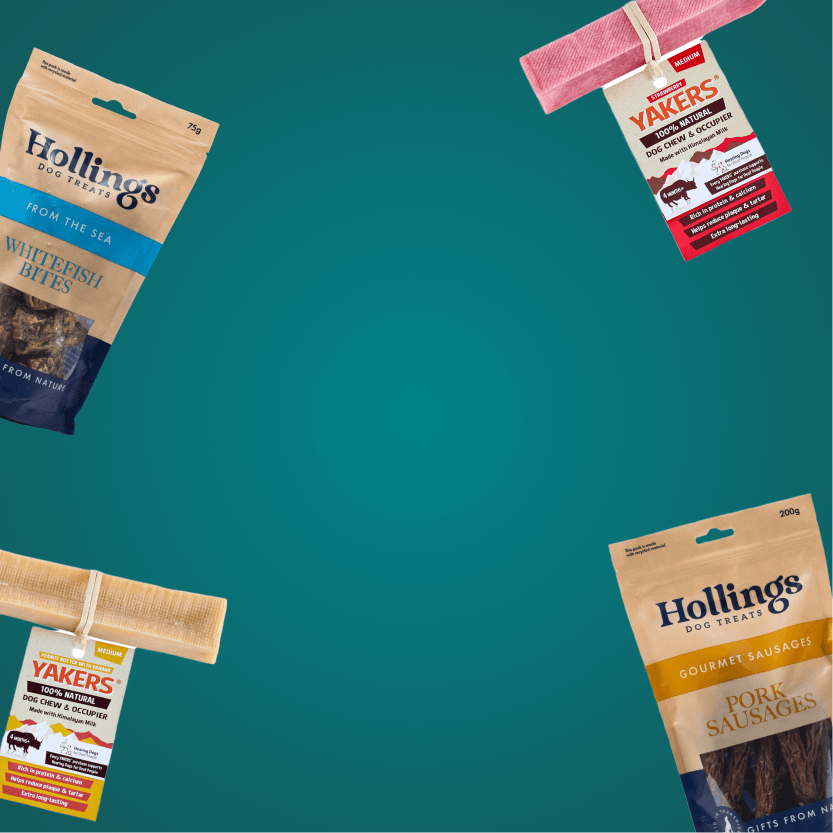
Try a selection of dog-safe chew toys and see what they actually enjoy. Different dogs prefer different textures, shapes, materials, and levels of firmness. Rotate toys occasionally rather than leaving the same pile out all month. Something that disappeared into the toy basket last week can suddenly become very exciting when it reappears.
Food-filled puzzle toys can also be a great choice because they combine chewing with problem-solving. Just remember to count any dry food or treats used towards your dog's normal daily allowance.
2. Redirect them instead of telling them off
You've caught your dog chewing a chair leg. It's tempting to shout their name across the room, but punishment doesn't actually show them what you want them to do instead.
Instead, calmly interrupt the behaviour and offer an appropriate chew toy. When they switch to the toy, praise or reward them. Consistency is key here! The more often your dog gets the chance to make the right choice, the easier that choice becomes.
If you're working with a younger dog, our Top 10 Puppy Training Tips also covers positive reinforcement and redirecting unwanted behaviours.
3. Dog-proof the tempting stuff
Training is much easier when you're not relying on your dog to make perfect decisions all day. Put shoes away. Keep children's toys off the floor. Move remote controls out of reach and don't leave anything potentially dangerous where your dog can grab it.
If your dog has developed a particular fascination with one room or piece of furniture, limiting access while you're not supervising can help break the routine. Every afternoon your dog spends happily chewing the same corner of the sofa is another afternoon practising that behaviour. Therefore, remove the opportunity while you teach them something better.
4. Make sure they're getting enough to do
A bored dog will usually find entertainment on their own. Unfortunately, their definition of entertainment may involve dismantling a cushion. Walks can help up to a point, but keeping a dog occupied isn't restricted to tiring their legs. Sniffing, play, short training sessions, and food puzzles all give their brain something to do. Try some of the following:
- Sniffing games around the home or garden
- Puzzle feeders
- Hiding some of their normal food for them to find
- Short training sessions
- Games such as fetch or tug
- Rotating toys
- Exploring different walking routes
In other words, sometimes ten minutes spent working out how to get food from a puzzle toy is more interesting than another ten minutes wandering around the same familiar route.
5. Don't accidentally reward chewing
Dogs are very good at discovering what gets a reaction. Imagine your dog grabs a sock. You immediately chase them through the house. Congratulations – the sock has just become the best toy they've ever owned.
The same can happen when chewing furniture leads to lots of shouting, attention, or an exciting game of keep-away. Try to keep your reaction calm but stern. Redirect your dog towards something appropriate and make that choice worthwhile instead.
If stealing household objects has become part of the fun, work on exchanging them calmly for a toy or reward rather than starting a chase.
6. Look at when the chewing happens
Timing can tell you a lot. If your dog mainly chews things when you're out, the issue may be very different from a puppy who spends all evening gnawing anything they can reach. Try asking yourself these questions:
- Does it happen when they're alone?
- Is it worse when they've missed a walk?
- Does it happen at the same time each evening?
- Do they chew when everyone is busy and ignoring them?
- Has anything changed in their routine recently?
Patterns can help you separate boredom, habit, and attention-seeking from a dog who may genuinely be struggling when left alone. If chewing only happens when you're away and is accompanied by pacing, barking, howling, or attempts to get out, speak to your vet or a qualified dog behaviourist for advice.
7. Be consistent
Dogs don't immediately understand that an old slipper is acceptable, but your new trainer isn't. To them, they're both shoes (or toys, in their mind). Try not to give your dog old household items to chew if you don't want them chewing similar objects later.
Everyone in the household should follow the same rules too. If one person redirects the dog away from cushions while somebody else lets them wrestle with an old cushion for fun, things can get confusing very quickly. Clear, consistent rules make training much easier.
Why is my puppy chewing everything?
Puppies explore with their mouths, and teething gives them even more reason to chew. As their adult teeth come through, chewing can help soothe uncomfortable gums. This stage doesn't last forever, but it can feel like it when you've just discovered another set of tiny tooth marks on the furniture.
Give your puppy plenty of suitable things to chew and keep belongings out of reach while they learn. For more specific advice about this stage, see our guide to Puppy Teething: Advice for New Dog Owners.
Why has my adult dog suddenly started chewing things?
A dog who has always chewed things is different from an adult dog who suddenly starts doing it. First, think about what has changed. Perhaps they're getting less exercise, spending more time alone or dealing with a change in routine.
Occasionally, a sudden behaviour change can also be a sign that something isn't quite right. If the chewing appears out of nowhere, becomes difficult to interrupt, or your dog starts actually eating non-food objects rather than simply chewing them, speak to your vet as soon as possible.
How do I stop my dog chewing furniture?
Start by limiting access where possible and putting an appropriate chew nearby. If your dog repeatedly heads for the same table leg or corner of the sofa, redirect them before they get started and reward them for choosing their own toy.
You can also temporarily block access to favourite chewing spots while the new habit develops. Most importantly, consider why the furniture is so appealing. If your dog spends hours with nothing else to do, protecting the table leg without tackling the boredom will probably just encourage them to find another target.
How do I stop my dog chewing things when left alone?
First, find out what actually happens when you leave. A pet camera can be useful here. Some dogs simply get bored and discover that shredding something is entertaining. Others become genuinely unsettled when their owner leaves.
Before leaving your dog, make sure they've had an opportunity to walk, sniff, play, and go to the toilet. Leave appropriate toys or food puzzles available and keep tempting household objects out of reach.
If your dog appears distressed rather than simply mischievous, don't treat it as a chewing problem alone. Speak to your vet or a qualified behaviourist instead.
Can food or diet affect chewing behaviour?
Food isn't usually the direct reason a dog starts chewing your sofa. However, diet forms part of your dog's wider routine. A dog who is hungry, overfed, under-stimulated, or generally unsettled may behave differently from one whose food, exercise and daily routine suit them well.
Puzzle feeders can be particularly useful because they turn part of your dog's normal meal into an activity. Rather than adding lots of extra treats, simply set aside some of their usual daily food.
Our guide to the link between diet and dog behaviour looks more closely at how food, routine and general wellbeing can work together.
What should dogs be allowed to chew?
Choose products specifically designed for dogs and suitable for your dog's size and chewing style. Whatever you choose, check it regularly for damage and remove anything that's breaking into pieces your dog could swallow.
Some dogs are gentle nibblers, while others appear to approach chew toys with the enthusiasm of a demolition crew. For that reason, supervision is especially important when introducing something new.
What shouldn't dogs chew?
Keep potentially dangerous household items well out of reach, including:
- Electrical cables
- Batteries
- Medicines
- Cleaning products
- Sharp objects
- Children's toys
- Anything small enough to swallow
Be careful with damaged toys too. Something that started life as a perfectly suitable dog toy may no longer be safe once half of it is missing. If you think your dog has swallowed something they shouldn't have, contact your vet for advice.
FAQs
How do I stop my dog from chewing everything?
Give them suitable things to chew, remove tempting household items, redirect unwanted chewing, and reward them for choosing their own toys. Also make sure they're getting enough exercise, play, and mental stimulation.
What can I give my dog to stop them chewing furniture?
Rather than simply trying to make furniture unpleasant, offer suitable dog-safe chew toys or food puzzles and make those more rewarding. Limiting access to the furniture while you're training can also help.
Should I punish my dog for chewing things?
No. Punishment may stop the behaviour in the moment, but it doesn't teach your dog what they're supposed to chew instead. Calm redirection and rewarding the right choice are much more useful.
At what age do dogs stop chewing everything?
Puppy chewing often reduces once teething finishes and the dog matures, but chewing itself is normal throughout a dog's life. Adult dogs still need suitable things to chew.
Why does my dog chew things when I'm not home?
They may be bored, have excess energy, or simply have easy access to tempting objects. Some dogs also chew because they find being left alone difficult. A camera can help you see what is happening after you leave.
Why is my dog suddenly chewing furniture?
Look for changes in exercise, routine, time spent alone, or opportunities for stimulation. If an adult dog suddenly develops unusual or persistent chewing behaviour with no obvious explanation, speak to your vet.
Does my dog's food affect destructive chewing?
Diet isn't usually the sole cause of destructive chewing. However, feeding routine, hunger, overall energy levels, and enrichment can all influence behaviour. Using part of your dog's normal food in puzzle feeders can be a useful way to provide mental stimulation without adding unnecessary extra calories.